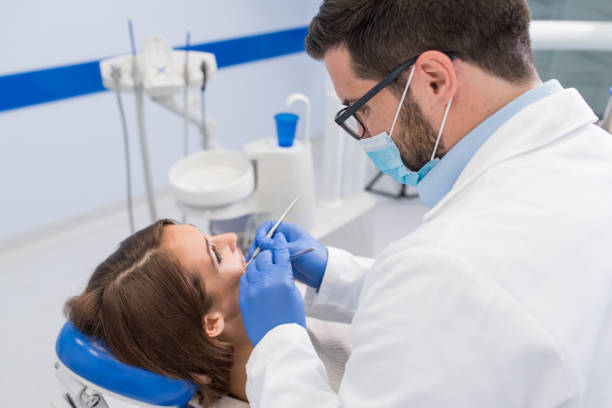
Common signs you should see a dentist in Moston include tooth pain, bleeding gums, bad breath, loose teeth, and jaw discomfort. Early dental visits help prevent serious oral health problems. Regular checkups support long-term dental and overall health.
Dental health plays a key role in your overall wellbeing, yet many people delay seeing a dentist until pain becomes severe. Small issues often worsen without care. Recognising early warning signs can help you seek treatment sooner and avoid complex dental problems later.
What Are the Warning Signs You Should See a Dentist?
Dental warning signs are physical changes or discomfort in your mouth that suggest underlying oral health issues. Early assessment helps prevent long-term damage to teeth, gums, and bone.
Why Choosing a Local Dentist in Moston Matters
Common Dental Symptoms to Watch For
- Persistent tooth pain or sensitivity
- Bleeding, swollen, or red gums
- Ongoing bad breath
- Loose or shifting teeth
- Mouth sores or lumps that do not heal
- Jaw pain or clicking sounds
- Dry mouth
- Difficulty chewing or eating
- Changes in existing dental work
What are the most common treatments provided by general dentists in Moston?
When to Book a Dental Appointment (Step-by-Step)
- Notice discomfort, pain, or visible changes
- Symptoms last longer than a few days
- Pain affects eating, sleeping, or daily life
- You experience bleeding, swelling, or looseness
- Schedule a dental checkup as soon as possible
Early visits often mean simpler treatment.
Why Tooth Pain or Sensitivity Matters
Ongoing tooth pain or sensitivity to hot, cold, or sweet foods may indicate decay, worn enamel, or cracked teeth. Without treatment, these issues can progress and require more complex care.
Bleeding or Swollen Gums
Bleeding during brushing or flossing is often an early sign of gum disease. Swollen or red gums may progress to periodontitis if left untreated, potentially leading to tooth loss.
Bad Breath That Persists
Chronic bad breath can signal gum disease, decay, or dry mouth. A professional dental assessment helps identify the cause and prevent further issues.
Do general dentists in Moston offer preventive care like cleanings and fluoride treatments?
Loose Teeth or Changes in Bite
Adult teeth should feel stable. Movement may indicate bone loss, advanced gum disease, or trauma. Early diagnosis improves the chance of saving teeth.
Jaw Pain or Clicking
Jaw discomfort, clicking, or difficulty opening your mouth may indicate TMJ issues. Dental assessment can help manage symptoms and protect jaw function.
How Often Should You See a Dentist?
Most people should attend dental checkups every six months. Some patients may need more frequent visits depending on oral or general health conditions.
What Happens During a Dental Checkup?
- Examination of teeth and gums
- Professional cleaning
- X-rays if required
- Oral cancer screening
- Discussion of treatment or prevention plans
Book Your Dental Check-Up at Moston Dental Practice
If you’re noticing any changes in your teeth, gums, or jaw, Moston Dental Practice is here to help. Our experienced team provides gentle, professional care in a calm and welcoming environment. From routine check-ups to preventive and restorative treatments, we focus on keeping your smile healthy and comfortable. Contact Moston Dental Practice today to book your appointment and take a positive step towards long-term oral health.
FAQs (People Also Ask)
How often should I visit the dentist?
Every six months is recommended. Some patients may need more frequent checkups based on their oral health.
Is bleeding gums always a sign of gum disease?
Persistent bleeding may indicate gum disease and should be checked by a dentist.
Does bad breath always mean dental problems?
Not always, but ongoing bad breath can be linked to gum disease, dry mouth, or decay.
Can dental problems affect general health?
Yes. Poor oral health is linked to heart disease, diabetes, and pregnancy complications.
Is it safe to see a dentist during pregnancy?
Yes. Dental care during pregnancy is safe and important for both mother and baby.
Author
Reviewed by: Dental Content Team
Aligned with UK dental care guidance
Last Updated
Last updated: 29 January 2026