Several treatments can replace missing teeth, including dental implants, dentures, and dental bridges. Each option restores function, appearance, and oral health in different ways. A dentist can help you choose the most suitable solution based on your needs and dental condition.
Losing a tooth can affect both oral health and confidence. Missing teeth may make it harder to chew, speak clearly, or smile comfortably. Fortunately, modern dentistry offers several effective tooth replacement options. These treatments help restore function, improve appearance, and support long-term oral health
What Is Tooth Replacement?
Tooth replacement refers to dental treatments used to restore missing teeth. These treatments fill the gap left by tooth loss and help restore normal chewing and speaking. They also help maintain the structure of the jaw and surrounding teeth.
Common Options to Replace Missing Teeth
Modern dentistry offers several solutions for replacing missing teeth.
- Dental Implants – Titanium posts placed in the jawbone that support artificial teeth
- Dentures – Removable appliances used to replace several or all missing teeth
- Dental Bridges – Fixed restorations that replace one or more missing teeth using nearby teeth for support
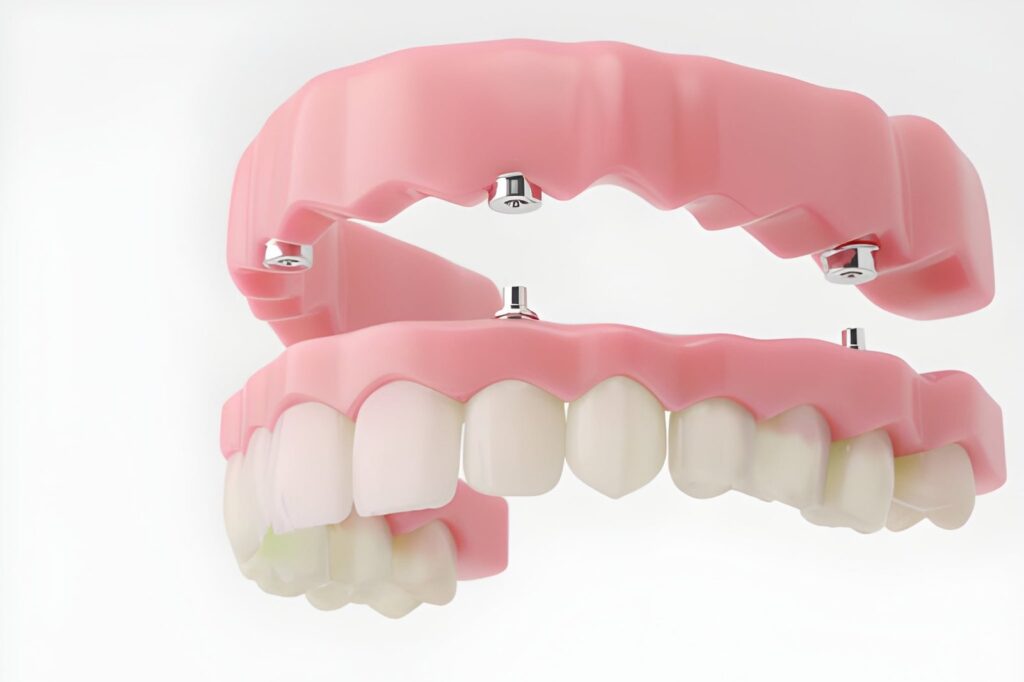
- All-on-4 Implants – A full-arch restoration supported by four implants
- Flipper Appliances – Temporary removable teeth used while waiting for a permanent solution
Each option varies in cost, durability, and treatment time.
How Dentists Replace Missing Teeth
- Dental Examination
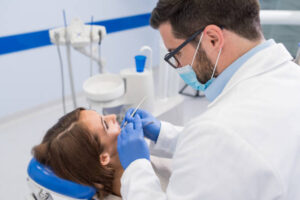
A dentist examines your teeth, gums, and jawbone to determine the most suitable treatment. - Treatment Planning
Your dentist explains available options such as implants, bridges, or dentures based on your oral health and preferences. - Tooth Replacement Procedure
The chosen treatment is completed, restoring the missing tooth or teeth and improving your smile.
Dental Implants for Missing Teeth
Dental implants are one of the most advanced solutions for tooth replacement. They involve placing a small titanium post into the jawbone to act as an artificial tooth root. Once healed, the implant supports a crown, bridge, or denture.
Dental implants offer several benefits:
- Look and function like natural teeth
- Restore strong chewing ability
- Prevent bone loss in the jaw
- Provide a long-lasting solution
Dentures for Missing Teeth
Dentures are removable appliances used to replace missing teeth. They are designed to fit comfortably in the mouth and restore normal oral function.
Dentures can be:
- Full dentures for replacing all teeth in the upper or lower jaw
- Partial dentures for replacing several missing teeth while keeping natural teeth
Modern dentures are designed to look natural and help patients chew and speak more comfortably.
Dental Bridges for Missing Teeth
Dental bridges replace one or more missing teeth by attaching an artificial tooth to neighbouring natural teeth. The supporting teeth hold the bridge securely in place.
Bridges help:
- Restore chewing ability
- Maintain proper tooth alignment
- Improve the appearance of your smile
Temporary Tooth Replacement Options
Temporary solutions may be recommended while waiting for permanent treatment.
Flipper appliances are lightweight, removable devices that replace missing teeth temporarily. They help maintain appearance and prevent nearby teeth from shifting.
Benefits include:
- Improves appearance while waiting for treatment
- Helps with speaking and chewing
- Maintains spacing between teeth
Book a Consultation at Moston Dental Practice
If you have missing teeth and want professional guidance, the team at Moston Dental Practice can help. During your consultation, a dentist will assess your oral health, explain your options, and help you understand the most suitable approach for restoring your smile. Early advice can help protect your oral health and prevent further dental issues.
Frequently Asked Questions
What is the best way to replace missing teeth?
Dental implants are often considered the most durable and natural-looking option, but the best choice depends on your oral health and budget.
Can you live with missing teeth?
It is possible, but missing teeth can affect chewing, speech, and jawbone health over time.
Are dentures better than implants?
Dentures are more affordable, while implants usually offer greater stability and long-term benefits.
How long does it take to replace a missing tooth?
Treatment time depends on the chosen method. Dentures or bridges may take a few weeks, while implants may require several months for healing.
What happens if you don’t replace a missing tooth?
Nearby teeth may shift, bone loss may occur, and chewing ability may decrease.